Local guide to rubbish collection in Hampstead Village NW3
If you live or work in Hampstead Village NW3, rubbish collection is one of those things you only notice when it goes wrong. A missed bin day, a bulky item left by the door, or a hallway full of bags after a clear-out can turn a normal week into a bit of a nuisance. This local guide to rubbish collection in Hampstead Village NW3 explains how the process typically works, what to watch out for, and how to choose the most sensible way to get waste moved without fuss.
We will look at everyday household rubbish, flat clearances, business waste, builder's debris, bulky items, and the practical differences between collection methods. You will also find a checklist, a simple comparison table, and a few local-minded tips that are easy to act on. Truth be told, a good waste plan saves time, stress, and a lot of unnecessary lifting.
Why Local guide to rubbish collection in Hampstead Village NW3 Matters
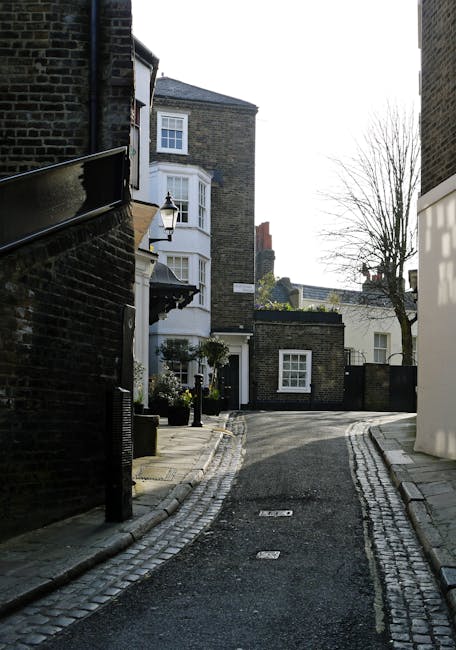
Hampstead Village has its own rhythm. Narrow residential streets, period homes, converted flats, shared entrances, and busy footfall can make waste handling less straightforward than it sounds on paper. A pile of black bags by the front step might be fine in one setting and awkward in another. A sofa that is easy to carry in a modern block can be a real headache in a top-floor conversion with a tight staircase. Different spaces, different problems.
That is why a local guide to rubbish collection in Hampstead Village NW3 is useful. It is not just about getting rid of things. It is about doing it in a way that fits your building, your timing, your neighbours, and the type of waste you have. In a place where space is at a premium and access can be tricky, a little planning goes a long way.
For residents, the stakes are usually convenience and cleanliness. For landlords and managing agents, it is presentation and compliance. For businesses, it is avoiding disruption, odours, and clutter that can make a premises feel messy very quickly. And for anyone dealing with refurbishment waste or a deep clear-out, it is also about safety. Nobody wants broken tiles, rusty metal, or heavy furniture lingering in a shared passageway for longer than necessary.
Expert summary: In Hampstead Village NW3, the best rubbish collection solution is usually the one that balances access, speed, sorting, and responsible disposal rather than simply the cheapest or quickest option on its own.
How Local guide to rubbish collection in Hampstead Village NW3 Works
In practical terms, rubbish collection in the area usually falls into a few broad routes. Some waste is handled as part of regular household collection. Some is better handled through a booked bulky waste or private rubbish collection service. Some projects need specialist clearance for builders' waste, furniture, appliances, or mixed load removal. The right route depends on what you have, how much there is, and how quickly it needs clearing.
For standard domestic waste, the local collection rhythm is simple enough: bins out on the correct day, separated as required, and returned promptly after emptying. Once items become larger, heavier, or outside the normal household stream, the process changes. A mattress, fridge, old wardrobe, broken desks, or renovation debris will usually need a separate arrangement. That is where services such as waste removal or a more specific service can be useful.
Many people also discover that the easiest route is not one single service, but a combination. For example, a flat clearance may include furniture disposal, appliance removal, and some general bagged rubbish. A small office move may need confidential shredding alongside the clearance. A garden tidy may produce green waste, old plant pots, and a few awkward extras. That mix is normal. Not messy, just normal.
In our experience, the most efficient collections happen when the waste is grouped before the team arrives. If bags are scattered in three rooms, or if someone is still deciding whether to keep an item, everything takes longer. A clear plan makes the actual collection smooth and quicker on the day.
If you are handling a house move, probate clearance, a rented flat turnover, or a small refurbishment, you may also want to explore service-specific options such as house clearance, flat clearance, or builders waste clearance. These services are designed for different waste profiles, which matters more than people often realise.
Key Benefits and Practical Advantages
The biggest advantage of organised rubbish collection is obvious: your space is cleared without you having to move everything yourself. But the real benefits go a little deeper than that.
- Less physical strain: Heavy lifting is not something to improvise, especially with bulky furniture or awkward appliances.
- Better use of time: A booked collection can clear a large amount in one go, instead of several trips to a tip or storage area.
- Cleaner shared spaces: In blocks and converted buildings, waste does not sit around in hallways or front gardens for long.
- More predictable results: If you know what will be collected, where it will be placed, and when it will happen, the day is much calmer.
- More responsible disposal: Reusable items may be separated, recyclable materials sorted, and specialist waste handled properly.
There is also a subtle but important benefit: better judgment. Once you have a system for dealing with waste, it becomes easier to avoid clutter creeping back in. That sounds simple, but it really does change how a space feels. A spare room stops being a dumping ground. A shop backroom stays functional. A hallway feels open again. Small win, yes, but a real one.
For people with a lot of mixed items, furniture disposal can be especially helpful. A bulky chair, a bed base, and a couple of cabinets can be surprisingly difficult to shift safely on your own. Using a dedicated furniture disposal or furniture clearance option keeps things controlled and avoids the classic "where on earth do we put this now?" moment.
Who This Is For and When It Makes Sense
This kind of local rubbish collection guidance is useful for a wide range of people in Hampstead Village NW3. If any of the following sounds familiar, you are probably in the right place.
- Homeowners who are clearing lofts, garages, spare rooms, or whole properties.
- Renters who need to leave a flat clean and tidy at the end of a tenancy.
- Landlords and letting agents managing turnarounds between occupants.
- Businesses dealing with office waste, old stock, or relocation clutter.
- Builders and tradespeople who need debris removed after a small or medium job.
- Garden owners with cuttings, old planters, broken outdoor furniture, or seasonal waste.
It also makes sense when waste is becoming a nuisance rather than a one-off inconvenience. If bags are being moved from room to room, or if a pile of items has become part of the scenery, it is usually time to sort it properly. Let's face it, "I'll deal with that next weekend" can become a very sticky habit.
For business owners, rubbish collection is often about continuity. An office cannot easily function if old chairs, packaging, and filing cabinets are blocking storage or escape routes. In those cases, office clearance and business waste removal can provide a more structured approach than ad hoc disposal.
Step-by-Step Guidance
If you want the process to go smoothly, a bit of order helps. Here is a practical approach that works well in real life.
- Identify the waste type. Separate general rubbish, furniture, electrical items, garden debris, building waste, and anything hazardous.
- Estimate the volume. A few bags, a van load, or a roomful? The scale matters for planning and timing.
- Check access. Stairs, narrow hallways, parking restrictions, lift access, and loading points can all affect collection.
- Decide what stays and what goes. This sounds obvious, but it saves a lot of confusion on the day.
- Book the right service. Match the collection type to the waste. Mixed waste, appliance removal, or builders' debris may need different handling.
- Prepare items in one place. Group them near the entrance if possible, without blocking exits or shared walkways.
- Ask about recycling and reuse. If some items can be recovered, that is better than throwing everything into one heap.
- Confirm the collection details. Timing, arrival window, parking notes, and any special handling should be clear before the day arrives.
A small aside: people often underestimate how much time is saved by simply putting screws, loose shelves, and little bits of broken furniture together in one area. It takes two minutes, maybe three, and avoids a lot of "is this part of the pile?" confusion later.
If the job includes awkward items, such as a fridge, washing machine, mattress, or sofa, it is worth checking a specialist service rather than assuming general rubbish collection will cover it. Appliance and upholstered item disposal often needs more careful handling, and it is cleaner to deal with it properly first time.
Expert Tips for Better Results
A few small decisions can improve the whole experience. These are the things that tend to make a real difference.
- Sort before collection: Even a rough sort saves time and reduces mistakes.
- Keep hazardous items separate: Paints, chemicals, batteries, and similar materials should not be mixed with general rubbish.
- Protect common areas: In shared buildings, use care with walls, lifts, and stair edges. A scratch on a banister is the sort of annoyance nobody needs.
- Photograph larger items if needed: This can help with planning, especially for bulky furniture or unusual waste.
- Think about resale or reuse: A decent chair, shelf, or table might be reusable even if you no longer need it.
- Book in line with your moving or renovation schedule: Waste collected too early or too late can create extra handling for no benefit.
One practical tip that is easy to miss: if you are clearing a loft or basement, check for damp, dust, or loose insulation before moving things around. Those spaces can be grubby, and the smell alone tells you enough. Not exactly glamorous, but it matters for safety and comfort.
And if you are clearing out a property with mixed household items, services like home clearance or loft clearance can give you a cleaner, more complete result than trying to tackle everything in fragments.
Common Mistakes to Avoid
Most rubbish collection problems are avoidable. A few habits cause trouble again and again.
- Leaving waste until the last minute: This creates panic, bad packing, and poor decisions.
- Mixing hazardous and non-hazardous waste: That can complicate handling and may lead to items being refused.
- Underestimating volume: What looks like "a few bits" can turn into a surprising amount once gathered together.
- Ignoring access constraints: Steep steps, tight corners, or parking issues can slow everything down.
- Forgetting bulky items: A mattress in the spare room or a broken freezer in the corner can get overlooked until the end.
- Not checking building rules: Some blocks have specific quiet hours, loading arrangements, or shared-space rules.
There is also the old classic: forgetting that one awkward item. You know the one. The thing everyone keeps walking past because it is too annoying to mention. Usually a cracked wardrobe door or an old printer in the boot room. Add it to the list early and save yourself the second round.
For refurbishment projects, builder's waste is a common trap. If broken plasterboard, timber offcuts, packaging, or rubble are left to accumulate, the site quickly becomes harder to work in. A dedicated clearance route usually makes more sense than treating it as ordinary rubbish.
Tools, Resources and Recommendations
You do not need fancy tools to manage rubbish well. You need a simple system and the right expectations. Still, a few practical aids make the job easier.
- Labels or markers: Handy for separating keep, donate, recycle, and dispose piles.
- Heavy-duty sacks or boxes: Better for bagged waste, loose items, and small clutter.
- Gloves and sturdy shoes: Simple, sensible protection for moving mixed waste.
- Measuring tape: Useful for bulky items, door widths, and stair turns.
- Notepad or phone checklist: Keeps everyone on the same page.
On the service side, you may find it useful to compare a few relevant pages before deciding how to proceed. For example, pricing and quotes can help you understand how different jobs are approached, while recycling and sustainability is useful if you care about what happens after collection. That is a fair question, by the way. People do want to know where their waste ends up.
If you need a specific item removed, specialist pages can also help you narrow things down. A broken appliance is not the same as a wardrobe. A sofa is not the same as rubble. The more precisely you match the service to the waste, the smoother it tends to go.
Law, Compliance, Standards, or Best Practice
Rubbish collection in the UK is not just a logistical matter; it also carries practical responsibilities. You do not need to be an expert in regulations, but you do need to avoid making assumptions. Waste should be handled by suitable people, stored safely before collection, and disposed of responsibly. If you are a business, the expectations are usually stricter because waste records, segregation, and duty of care become more important.
For households, the main best-practice points are straightforward: do not leave waste where it creates hazards, separate special items carefully, and avoid putting unsafe materials into general rubbish. For businesses, it is wise to keep clear notes on what was collected, when, and by whom. That helps with accountability and reduces future confusion.
Hazardous or sensitive items should be treated carefully. If you have chemicals, sharp materials, contaminated items, or confidential papers, do not simply bundle them into a standard clear-out. Use a more appropriate route, such as hazardous waste disposal or confidential shredding where relevant.
Furniture, appliances, and specialist waste should also be dealt with in line with recognised handling practice. For example, large upholstered items, fridges, and mattresses usually need more care than ordinary bagged waste. That is partly about transport and partly about responsible end processing. A good provider will be clear about what they can and cannot take, and that clarity is a good sign.
If you are choosing a provider, it is sensible to check visible policies too. Things like health and safety policy, insurance and safety, and terms and conditions tell you a lot about how seriously the company treats the work. Not exciting reading, admittedly, but useful reading.
Options, Methods, or Comparison Table
When people ask about rubbish collection in Hampstead Village NW3, they are often really asking: what is the best way to deal with this pile of stuff? The answer depends on urgency, volume, and the type of waste. Here is a simple comparison.
| Method | Best for | Strengths | Limitations |
|---|---|---|---|
| Routine household bin collection | Normal domestic waste | Simple, familiar, part of regular household routine | Not suitable for bulky items or unusual waste |
| Private waste removal | Mixed clutter, bagged waste, larger clear-outs | Flexible, often faster, can handle more varied loads | Needs planning and a clear description of the waste |
| Furniture clearance | Sofas, tables, beds, wardrobes | Good for heavy, awkward items | May need specialist handling for certain pieces |
| Builders waste clearance | Renovation debris, timber, rubble, packaging | Better suited to trade and refurbishment waste | Not the right route for general household clutter |
| Garden clearance | Cuttings, branches, outdoor clutter | Useful after pruning or seasonal work | Green waste still needs sensible sorting |
If you are dealing with a large property clean-up, a more complete route such as house clearance can be easier than trying to arrange three or four separate removals. On the other hand, if you only need one or two items removed, a simpler collection may be enough. No need to make it grander than it is.
Case Study or Real-World Example
Consider a typical Hampstead Village scenario: a two-bedroom flat in a converted Victorian building, with a narrow staircase, one bulky sofa, a broken chest of drawers, several bags of general rubbish, and a fridge that has finally given up. The resident has also been doing a light declutter and has filled the hallway with boxes of books and mixed household bits. Nothing unusual. In fact, it is exactly the sort of thing that happens when people finally decide to sort the place out.
In that situation, the most practical approach is to separate the waste into clear categories before the collection day. The sofa and drawers go with furniture disposal, the fridge is handled as an appliance item, and the bagged clutter is grouped as general waste. If there are any leftover renovation items from repairs, those are kept separate again. That way the collection is faster and there is less risk of confusion at the door.
What tends to make the biggest difference is access. The collection can be straightforward if the items are already near the entrance and the team can work without blocking the shared stairwell. If not, the job still gets done, but it takes more time and a little more coordination. That is the whole point of planning, really.
For anyone in a similar position, the mix of services matters. A single page rarely covers every item in a real home. You might use furniture clearance for bulky items and fridge and appliance removal for the white goods, then follow with general waste removal if needed. That layered approach is often the cleanest one.
Practical Checklist
Use this checklist before collection day. It keeps the job simple, and simple is good.
- Sort waste into general, bulky, recyclable, garden, and special items.
- Remove anything you want to keep from drawers, shelves, and cupboards.
- Check for hazardous, sharp, or confidential items and isolate them.
- Measure bulky furniture or appliances if access may be tight.
- Clear a safe path through hallways, staircases, and doorways.
- Confirm whether parking or loading access is needed.
- Group items in one location if possible.
- Take photos if you need to explain the load clearly.
- Double-check the booking time and any collection instructions.
- Make sure nobody accidentally adds extra waste after the pile has been prepared. It happens.
If your rubbish includes bulky household items, you may also want to review mattress and sofa disposal so you can separate those pieces properly. Small detail, big difference.
Get a free quote today and see how much you can save.
Conclusion
Rubbish collection in Hampstead Village NW3 works best when you match the right collection method to the right waste, prepare the items sensibly, and avoid leaving everything to the last second. That is the real takeaway here. Not glamorous, perhaps, but genuinely useful.
Whether you are clearing a flat, managing an office tidy-up, dealing with garden waste, or sorting out a bigger property project, a local approach makes the whole thing calmer and more efficient. You get less clutter, less disruption, and fewer awkward surprises on the day. And that is usually what people want most.
If you are comparing options, start with what you actually need removed, not what sounds easiest in the moment. The right choice is often the one that keeps your home, building, or business moving without extra drama. That is worth a lot, honestly.
Sometimes the best kind of clean-up is the one you barely have to think about twice.
Frequently Asked Questions
What counts as rubbish collection in Hampstead Village NW3?
It usually covers routine household waste, bulky item removal, and organised collections for mixed rubbish, furniture, appliances, garden waste, or builder's debris. The exact approach depends on the type and amount of waste.
Do I need a special service for bulky items?
Often, yes. Large furniture, mattresses, fridges, and similar items are usually better handled through a dedicated bulky item or specialist clearance service rather than standard household collection.
Can one collection handle mixed waste?
In many cases, yes. Mixed loads are common, especially during clear-outs. It helps to separate the waste into rough categories first so the collection can be planned properly.
What should I do with old furniture?
Old furniture is usually best handled through furniture clearance or furniture disposal, especially if it is bulky, heavy, or awkward to move through a shared building.
How do I prepare waste for collection?
Group similar items together, clear a safe path, remove anything you want to keep, and make sure hazardous or confidential items are set aside. A little preparation makes a surprisingly big difference.
Is rubbish collection suitable for flats and converted homes?
Yes, but access needs to be considered carefully. Tight staircases, shared hallways, and limited parking can all affect the process, so it is worth planning that part early.
What happens to recyclable items?
Where possible, recyclable materials are separated from general waste for more responsible processing. This depends on the collection method and the type of material involved.
Can you remove appliances like fridges and washing machines?
Yes, but they are usually handled as appliance items rather than ordinary rubbish. If you have white goods to clear, a specialist appliance removal service is usually the safer choice.
What if I also need confidential papers removed?
If papers contain private or sensitive information, use confidential shredding rather than standard waste disposal. That keeps the material handled properly and reduces risk.
Are builders' leftovers treated differently from household rubbish?
Usually, yes. Rubble, timber offcuts, packaging, plasterboard, and other renovation debris are better handled through builders waste clearance because the load type is different.
How do I know which service is right for me?
Start with the waste type, then think about volume, access, and urgency. If you are unsure, compare the relevant service pages and choose the one that best matches what you actually need cleared.
Is it worth booking a full clearance instead of several small collections?
Often it is. If you have a lot of mixed items, a full clearance can be simpler, quicker, and less disruptive than arranging multiple smaller jobs. It depends on the scale, of course, but that is a common pattern.
What should I check before booking?
Check what can be collected, how access will work, whether any special items need separate handling, and whether the provider's safety and terms information is clear. A little checking upfront saves stress later.
Can rubbish collection help with move-out day or probate clearance?
Yes. These are common situations where a structured collection is useful because there is usually a mix of furniture, general clutter, and items that need sorting quickly and carefully.
For practical next steps, you may want to review about us to understand the approach behind the service, or use book online when you are ready to arrange a collection. If you prefer to learn more about responsible handling, recycling and sustainability is a sensible place to look.