Commercial Waste in Hampstead
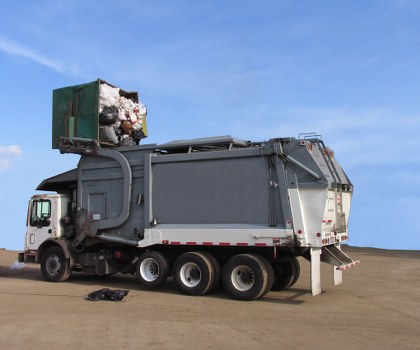
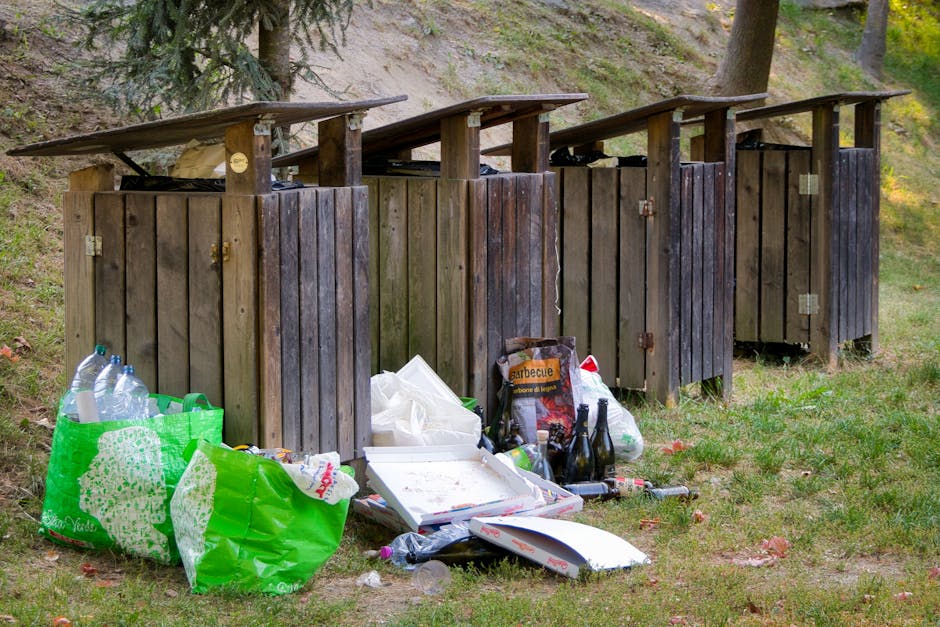
Commercial waste in Hampstead needs a clear, dependable service that handles everyday business rubbish without making collections awkward or disruptive. We focus on removing mixed non-hazardous waste from shops, offices, studios, hospitality premises and shared commercial spaces, with a practical approach to sorting, loading and responsible disposal. The aim is straightforward: help businesses keep premises clear, compliant and workable while waste is dealt with in a tidy, organised way.
Our service covers routine business waste removal for customers who need regular clearances or one-off uplift support. That can include bagged rubbish, cardboard, packaging, office clutter, broken fixtures, redundant stock and other general commercial material that is suitable for collection. For specialist waste streams such as confidential shredding, fridge units or other appliance items, the best route depends on the material itself, so the collection is matched to the waste rather than forcing everything into one generic process.
For a quotation, give a brief description of the waste, the access available and the scale of the job. You can also ask for guidance on what to separate before collection, especially if the load includes bulky items, mixed materials or packaging that may need to be handled differently. If you are comparing services, pricing and quotes explains the sort of information that helps produce a more useful estimate.
Business waste removal for regular and one-off collections
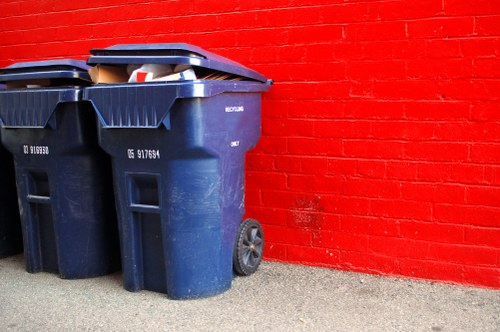
Business waste removal suits organisations that generate recurring rubbish as part of day-to-day activity. A regular collection can be arranged around a workplace’s operating pattern, but a one-off clearance is equally useful after refits, stock changes, relocations or end-of-project tidy-ups. The essential point is to remove non-hazardous commercial waste efficiently, keeping the process simple for staff while ensuring the load is handled in line with the material type.
Many customers want to know what can be included in a general business waste collection. Typical items may include office bag waste, packaging, archive overflow, display materials, broken small fixtures, unwanted consumables and mixed commercial rubbish. Some loads need separation because certain items are better placed in a different collection stream. If your waste includes items from desks, storage areas or back-of-house rooms, it helps to group similar materials together before the collection so the work can be assessed accurately.
When planning the job, it is sensible to note any access limits, lift restrictions, parking concerns or loading points that could affect how the collection is carried out. One brief list can be useful for the quotation stage:
- the type of waste
- approximate volume
- floor level or access route
- any bulky items
- preferred collection timing
Office waste, deskside clearance and workplace uplift
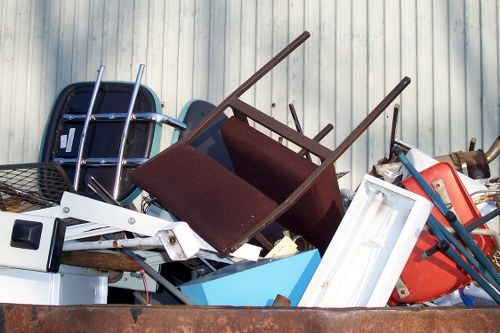
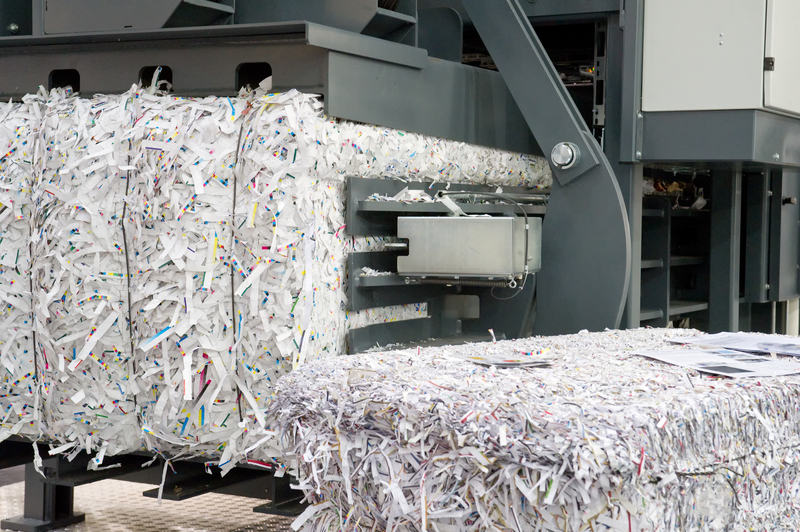
Office waste removal is often about clearing material that has built up gradually rather than removing a single dramatic load. Paper, files, cardboard, chairs, computer peripherals, shelving, drawers and general office clutter all need to be treated with care so the workplace remains functional. Where confidential papers are involved, a dedicated shredding route can be more appropriate than putting everything into mixed disposal, especially when the material needs to be handled separately from general rubbish.
Office clearances can also involve furniture and fitted items that are no longer wanted, such as workstations, tables, filing cabinets or reception furniture. For those jobs, it helps to think about whether the waste is to be moved from one room, from a whole floor or from multiple parts of the property. We can then plan the removal in a way that keeps the process orderly and avoids unnecessary handling. If your office waste includes larger furniture, a related page such as office clearance may be relevant to the scope of the work.
Good office waste collection is usually about timing and organisation as much as volume. A clear description of the items, the number of access points and any building rules allows the quotation to be aligned with the real task. That matters most in shared buildings, managed offices and premises where loading must be done carefully. If you are also dealing with outdated items beyond rubbish, furniture disposal can help distinguish what needs moving from what simply needs collection.
Furniture, bulky items and end-of-use disposal
Commercial premises often need bulky items removed alongside lighter waste, especially when furniture reaches the end of its usable life or a room layout changes. Desks, cabinets, chairs, shelving, tables and display fittings can all take up valuable space if they remain on site after they are no longer needed. Bulky disposal needs careful lifting and a sensible route through the premises, so the work is planned around access and item size rather than treated as a simple bin emptying task.
Furniture clearance and furniture disposal are related but not identical in practice. A clearance may cover several rooms or a mixed load of items, while disposal can focus on a smaller number of specific pieces. In some cases, the work overlaps with broader business waste removal because premises contain both furniture and general rubbish. Where the load is largely made up of sofas or similar seating, mattress and sofa disposal may be the more suitable route for those particular items.
For a smooth quotation, it helps to mention whether furniture must be taken from upper floors, basements or restricted access areas. That is often the difference between a straightforward job and one that needs more careful handling. Measurements are useful when items are especially large or awkward, and photos can help describe the layout, but a short written list is usually enough to begin with. If the work sits within a wider clean-out, furniture clearance gives a clearer match for mixed furniture removal.
Garages, storage rooms and overflow commercial areas
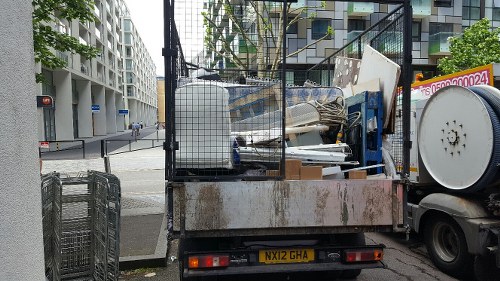
Some businesses and mixed-use premises accumulate waste in garages, storage rooms, outbuildings or back-of-house spaces that are not used for public-facing activity. These areas often become the place where damaged stock, spare materials, broken equipment and miscellaneous rubbish are left until a collection is arranged. A garage clearance is useful when those spaces need to be emptied so they can return to practical use, especially where the contents no longer belong with the main working area.
Clearance of this kind may involve old packaging, dismantled fixtures, forgotten stock, empty containers and general clutter. Depending on the material, some of it may also overlap with garden or yard waste, or with furniture and appliance items that need a more specific disposal route. If the load includes items better matched to a dedicated garage removal, the scope can be kept tidy by separating what is genuinely part of the garage contents from other commercial waste streams. Garage clearance is a useful reference where the space itself is the main focus.
It is often helpful to identify whether the room is a standalone storage area, a section of a larger unit or part of a shared building. That affects how the clearance is approached and how access is managed. If the contents are more varied than expected, a broader waste removal service can sometimes cover the mixed load more cleanly than forcing everything into one narrow category.
What the collection can include and what may need separation

Commercial waste collection is most useful when the contents are identified honestly and the service is matched to the waste rather than the other way around. Mixed business rubbish often includes packaging, paper, office clutter, old storage materials, display items and light fixtures, but there may also be items that belong in a more specific disposal route. That is why the quotation stage should focus on the actual load, not just the fact that a business wants things removed.
Some materials need separate handling because of their construction, risk profile or end-of-life treatment. For example, a mixed load may include appliances, furniture, or items that are suitable for a dedicated clearance rather than the general waste stream. If your load contains appliances, the relevant destination is fridge and appliance removal; if the issue is a roomful of assorted household-style contents within a commercial property, flat clearance or home clearance may better reflect the work involved. The right choice depends on the waste, not just the property type.
Where the contents are hazardous, specialist handling is needed and the work should not be treated as standard rubbish removal. Materials that fall outside normal commercial waste should be described carefully so the collection can be assessed properly. A concise enquiry with the main item types, approximate quantity and access details is normally the best starting point, because it helps avoid unnecessary delays and keeps the disposal route appropriate to the load.
About Hampstead
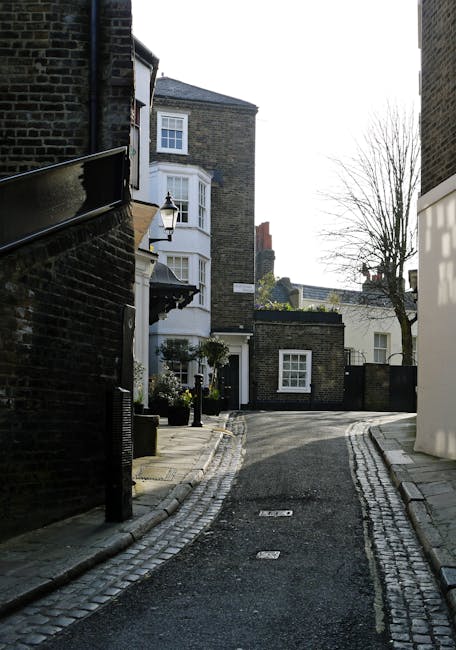
Hampstead is an area in north London known for its mix of historic streets, open green space and long association with cultural life. It sits on higher ground than much of the surrounding city, and that topography is part of its character: steep lanes, terraces, leafy roads and older village-like corners sit alongside later residential development. The area’s best-known open space is Hampstead Heath, a large expanse of parkland and wild terrain that forms a major part of local identity, with ponds, woodland, grassland and extensive views across London. Nearby, Parliament Hill is widely recognised for its panorama, while the Heath itself has long been valued as both a recreational landscape and an important natural environment. Hampstead’s built environment reflects several centuries of growth. Older houses, terraces and streets around the village core sit close to later apartments, institutions and converted buildings, creating a varied architectural scene rather than a uniform townscape. The area has also been associated with writers, artists and thinkers, and that cultural reputation is reinforced by galleries, theatres, literary connections and a generally active local arts presence. Hampstead Heath station, Hampstead Underground station and the surrounding road network connect the area to the wider city, while the village centre remains defined by independent shops, cafés and traditional public spaces. The combination of open land, distinctive architecture and a recognisable urban village atmosphere gives Hampstead a clear identity within London.
Clearance planning, access and useful quotation details
When a commercial collection is being arranged, the most useful quotation details are usually the practical ones: what needs removing, where it is located and how it can be accessed. A short written description, supported by a rough idea of quantity, is often enough to begin. If the premises involve narrow corridors, stairwells, limited loading space or timed entry arrangements, those points matter because they influence how the collection is managed. A clear brief is better than a long explanation.
Photographs can help where items are bulky, mixed or awkwardly stacked, but they are not a substitute for explaining the actual waste type. That distinction matters if the load includes a blend of office rubbish, broken furniture, packaging and specialist items. In some cases, it is better to keep the enquiry focused on one task rather than to bundle unrelated disposal needs together. For services that need a more structured approach, builders waste clearance is a separate route from ordinary business rubbish, while garden clearance suits green waste and outdoor materials.
Use the enquiry stage to flag anything that may affect lifting, sorting or disposal, then ask for a quotation based on the real collection conditions. If you are ready to proceed, the simplest next step is to request a quote and outline the waste you need removed. For a direct starting point, contact us with the item list and access details so the job can be assessed properly.
Waste types, specialist pages and choosing the right route
Not every commercial load belongs in the same collection. A business may need general rubbish removed from one area, furniture from another, and a specialist disposal route for items that cannot be mixed with ordinary waste. Thinking in terms of waste type rather than room type helps prevent confusion and makes it easier to select the right page or service. It also means the quotation can reflect the real work rather than a rough guess.
Some customers need a service that focuses on non-hazardous clear-outs, while others have a more specific material to remove. Related pages such as house clearance and loft clearance are relevant where the contents are broader and more varied, while recycling and sustainability sets out the handling principles behind responsible waste treatment. If the waste is unusual or potentially sensitive, the correct route should be chosen before anything is moved, especially when the load could include material outside ordinary collection practice.
For businesses that want a more defined scope, the service should be selected by the nature of the items and the setting in which they are found. That is the simplest way to avoid overlap between general waste, clearance work and item-specific disposal. Keep the description honest and specific, and the quotation stage will usually be quicker and more accurate for everyone involved. When you are ready, ask for a quotation and provide the basic waste details in one clear message.
Keeping commercial premises workable with the right disposal plan
Waste removal is most effective when it forms part of a simple, workable disposal plan rather than a rushed tidy-up at the last minute. For commercial premises, that often means identifying what is to be removed, deciding whether anything needs a separate route and choosing a collection time that suits the site. A straightforward plan reduces clutter, helps staff prepare and makes it easier to deal with the load efficiently once the collection begins.
Related pages such as hazardous waste disposal and insurance and safety are important where the contents or working conditions require additional care. Those subjects are not part of ordinary mixed business rubbish, but they do matter when a collection involves unusual materials or site-specific controls. Likewise, if the business wants to understand how payments are handled, payment and security gives a separate reference point without mixing it into the collection description itself.
The best enquiry is usually the one that tells us what needs taking away and where it is stored. If you can provide that, the quotation can be based on the job in front of us rather than on assumptions. Request a quotation when you are ready, and we will help match the waste to the right collection route.